Why Person‑Centered Activities Matter — Even in a Mixed‑Stage Dementia Group
Why Person‑Centered Activities Matter — Even in a Mixed‑Stage Dementia Group
Caring for individuals living with dementia means honoring who they are, what they enjoy, and how they experience the world. When a group includes residents at different stages of dementia, it can feel challenging to design activities that meet everyone’s needs. But person‑centered engagement makes it not only possible — it makes it meaningful.
Person‑Centered Activities Create Success for Every Participant
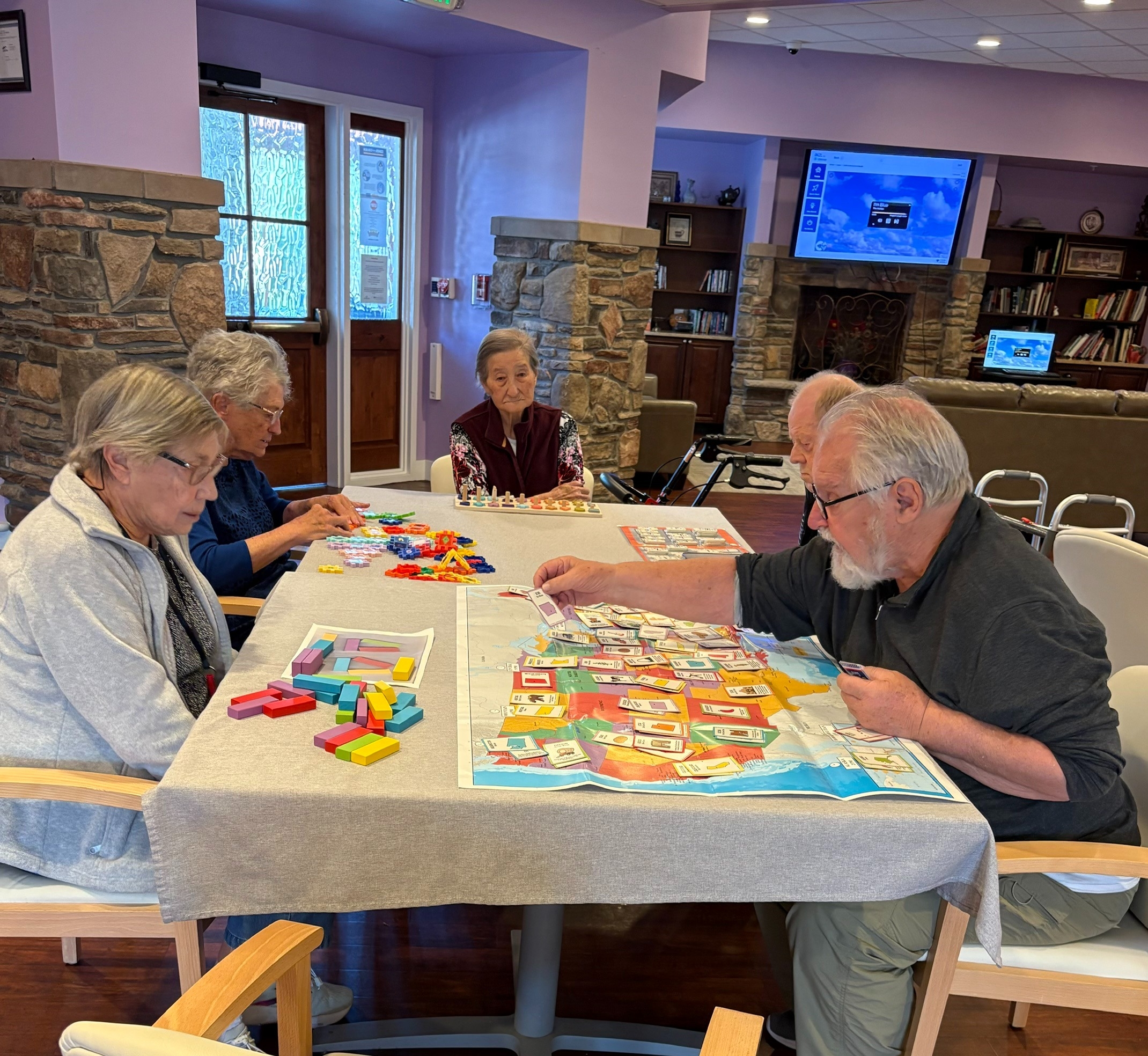
Each resident brings unique strengths, interests, and abilities. Person‑centered activities allow caregivers to offer choice, adaptation, and support, so every participant can engage at a level that feels comfortable. Early‑stage residents may enjoy leading or demonstrating, while middle‑ or late‑stage residents benefit from simplified steps, hands‑on materials, and guidance.
Group Activities Build Connection Across Abilities
Mixed‑stage groups can actually strengthen social connection. When residents participate together, they experience:
- Shared purpose — everyone contributes in their own way
- Moments of belonging — feeling part of a group supports emotional well‑being
Choice Supports Dignity
Offering two activity options and allowing each resident to select one reinforces autonomy. This simple step:
- Respects personal preference
- Reduces frustration
- Builds confidence
- Encourages meaningful participation
Adaptation Makes Activities Accessible
Person‑centered activities are designed to be flexible. Caregivers can adjust:
- The number of steps
- The level of verbal cueing
- The amount of hands‑on assistance
- The complexity of materials
Purposeful Engagement Improves Quality of Life
When residents participate in activities that feel familiar, enjoyable, and achievable, they experience:
- Reduced anxiety
- Increased focus
- Improved mood
- A sense of accomplishment
In Summary
Person‑centered activities allow caregivers to create meaningful engagement for every resident, regardless of dementia stage. By offering choice, adapting steps, and encouraging independence, caregivers help participants feel capable, connected, and valued.
This approach isn’t just an activity method — it’s a dignity‑first philosophy that strengthens the entire community.
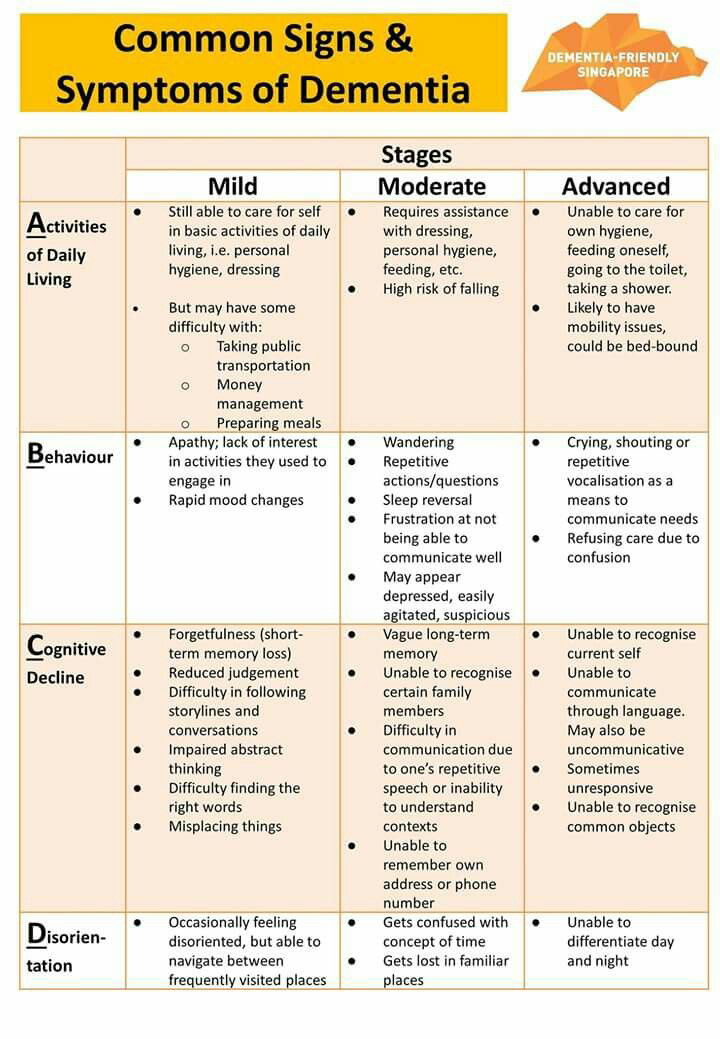
Dementia Levels